Amalfi, Pisa and the Islamic World before the Crusades
Cities on the Sea
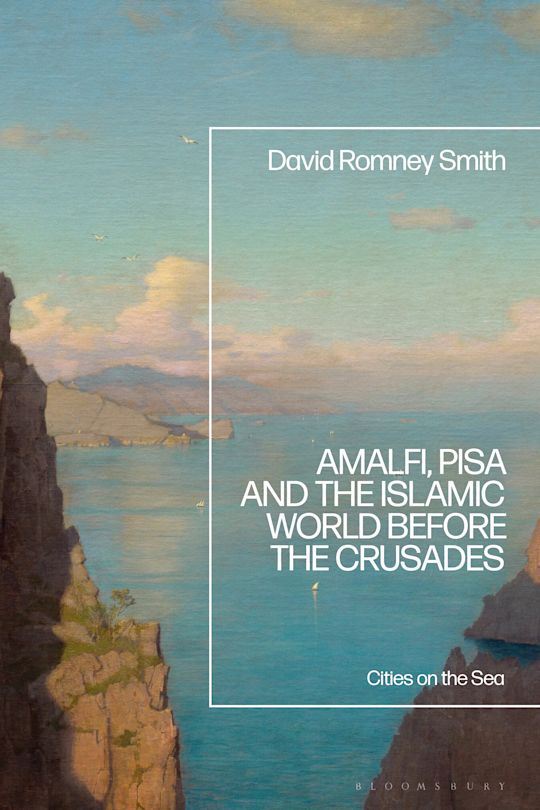

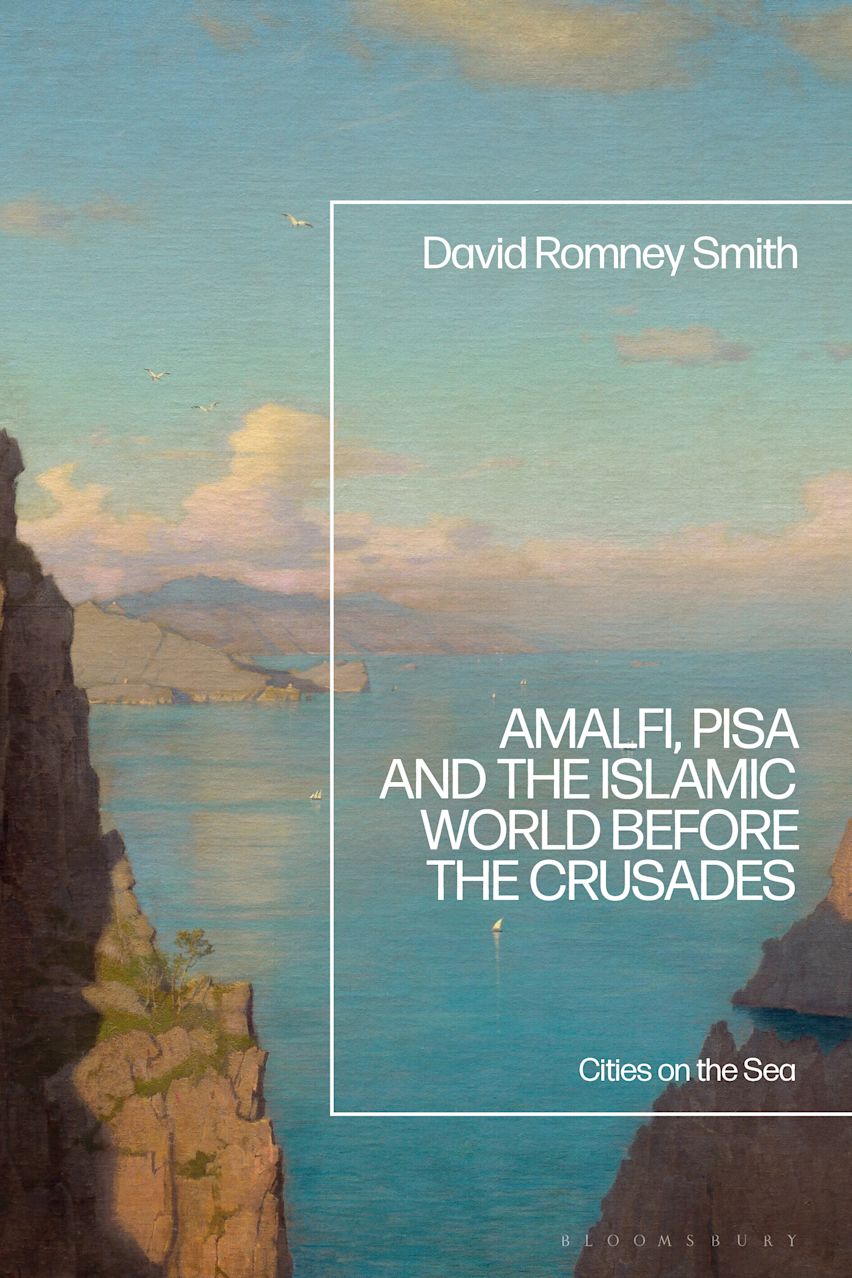
Amalfi, Pisa and the Islamic World before the Crusades
Cities on the Sea
Description
Drawing on textual, art historical and archaeological evidence, this book shows how Italian merchants peacefully entered trade relations with the Islamic world by adopting its conventions, its practices and even its clothing.
Using sources from both Italy and the Islamic world, and the Jewish sources preserved in the Cairo Geniza, David Romney Smith reveals that the Italian trade network in the era of the crusades was structurally the same as the world created by Muslim and Jewish merchants of the 10th and 11th centuries, and that far from setting out as conquerors of the Mediterranean, the Italians contended with a disadvantageous position which obliged them to cooperate with prevailing norms. The book demonstrates what this meant for the two chief (at the time) maritime cities of western Italy, Amalfi and Pisa; how they encountered the greater Mediterranean and its wealth, and the transformations they undertook to adapt to its exotic vistas.
Amalfi, Pisa and the Islamic World before the Crusades convincingly contends that only the coincidence of calamitous instability in Islamic regions, caused by climatic and other extrinsic factors, enabled the Italians to reposition themselves as dominant players in the Mediterranean, a process facilitated by the open nature of the Islamic-Jewish trade network which offered opportunities to all comers. As a consequence, Romney Smith compellingly interprets the First Crusade not as a novel excursion, but rather the military consolidation of a growing economic advantage, and the great expansion of medieval Italian maritime cities as a continuation of systems originating in the so-called 'Golden Age of Islam'.
Accessibility Information
Additional accessibility information
- EPUB 3.0
- Conforms with the requirements of EPUB Accessibility Spec v1.1
- WCAG level AA
- WCAG v2.2 compliant
- accessibility@bloomsbury.com
Hazards
The publication contains no hazards
Support for non-visual reading
- No accessibility features offered by the reading system, device or reading software are disabled or otherwise unusable with the product
- Has alternative text descriptions for images
Visual adjustments
Appearance of the text and page layout can be modified according to the capabilities of the reading system (font family and size, spaces, as well as color of background and text)
Navigation
- Page list to go to pages from the print source version
- Elements such as headings, tables, etc for structured navigation
- All or substantially all textual matter is arranged in a single logical reading order
- Content is enhanced with ARIA roles to optimize organization and facilitate navigation
- Purposes of all links are made clear
Rich content
Language tagging provided
Table of Contents
Introduction: Cities on the Sea
New Mediterranean Studies
Evidence and Sources
Theorizing Connectivity in the Network
Terminology
Chapter Plan
Chapter I: The Mediterranean Trade Network and Tyrrhenian Italy
Economic Disparity: Italy and the Eastern Mediterranean
The Mediterranean Network and the Italian Presence
A Model of Network Expansion
The Great Calamity
Conclusion: Italian Outcomes
Chapter II: Cities on a Gulf: Amalfi and its Neighbours in the Mediterranean Network
The City on the Gulf
Amalfi in the House of Islam 1: Diversion to Cordoba
Amalfi in the House of Islam 2: The Importance of Sicily
Amalfi in the House of Islam 3: The Wealth of Egypt
Amalfitan Trade in Christendom
Amalfi and the Calamities of the Eleventh Century
Campanian Conclusions
Chapter III: Pisa's Place in the Mediterranean Network
From the Carolingian Era to the Tenth Century
An Age of Aggrandizement
The Course of Pisan Expansion
The Example and Opportunity of Denia
In the Wake of the Great Calamity
The Raid on al-Mahdiyya of 1087
Towers of Success: Pisa's Culture of Affluence
The Culture of an Age of Expansion
East and West: Pisan Shipping towards the End of the Eleventh Century
Towards the first crusade
Conclusion: “All the Seas are Open.”
Chapter IV: Media of Exchange : Material Culture in Eleventh Century Pisa
The Social Role of Bowls
Contexts, Italian and Otherwise
Conclusion: Media Exchanged
Conclusion
Appendix: Converting Currencies around the First Millennium
Bibliography
Primary Sources
Secondary Literature
Product details

| Published | 12 Nov 2026 |
|---|---|
| Format | Ebook (Epub & Mobi) |
| Edition | 1st |
| Pages | 280 |
| ISBN | 9781350579934 |
| Imprint | Bloomsbury Academic |
| Illustrations | 20 bw illus |
| Publisher | Bloomsbury Publishing |

ONLINE RESOURCES
Bloomsbury Collections
This book is available on Bloomsbury Collections where your library has access.
Related Titles