The Ethics of Amnesty in Times of Transition
Justice, Peace, Truth, and the Law
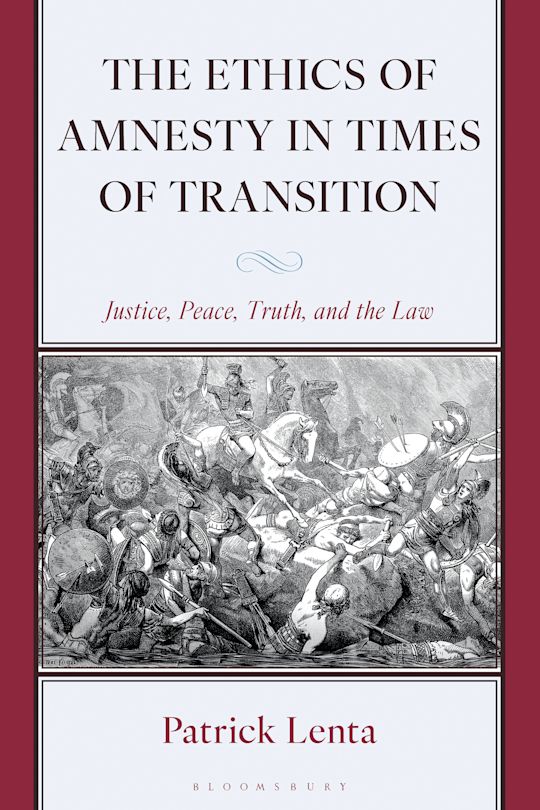

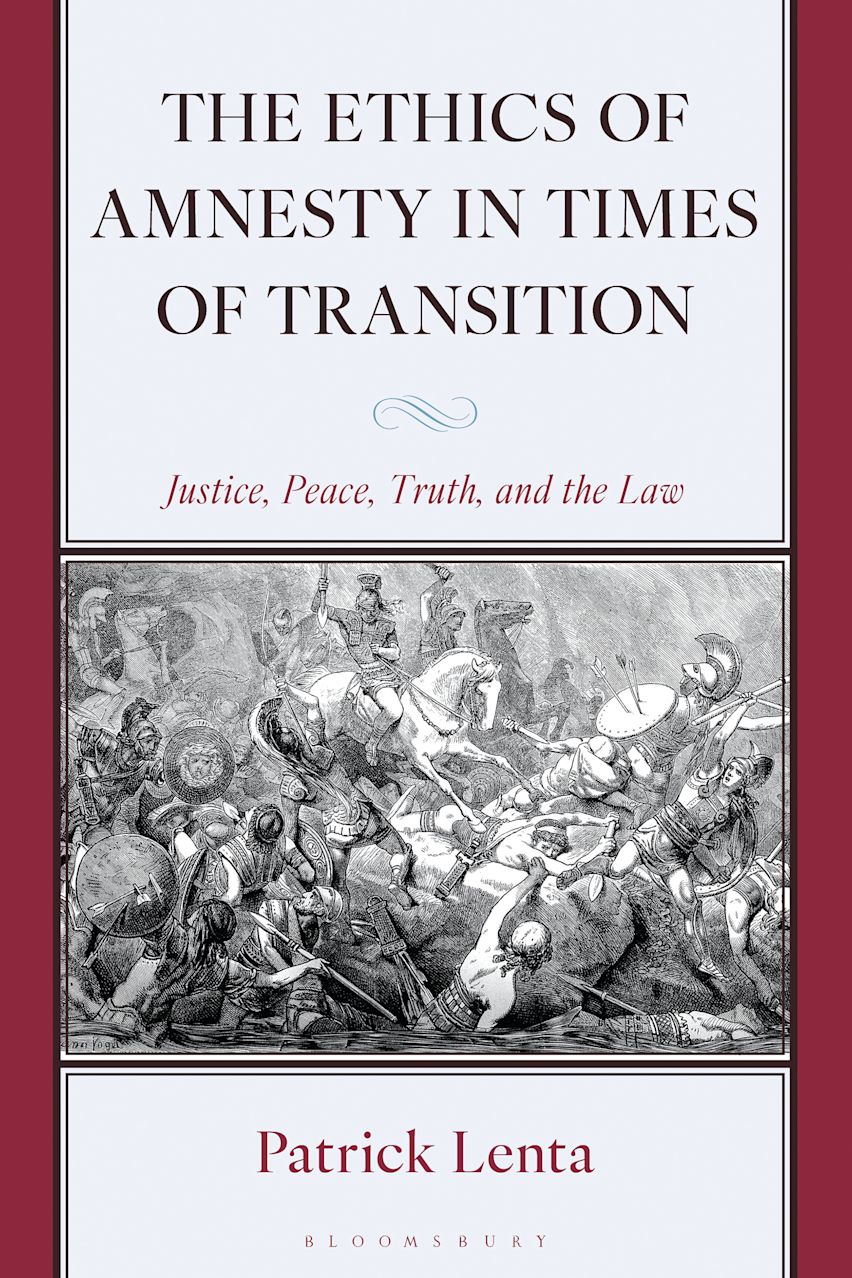
The Ethics of Amnesty in Times of Transition
Justice, Peace, Truth, and the Law
Description
Focused on the moral status of amnesty conferred in transitional justice settings, this book assesses arguments for and against its use.
Amnesty-immunity from prosecution and punishment conferred on groups of perpetrators of wrongdoing committed during a period of violent intra-state political conflict or state repression-is commonly employed in transitional justice settings around the globe. Yet this practice is widely deplored on account of allowing some of the most reprehensible wrongdoers to enjoy impunity.
Within philosophy of law, the issues involved in amnesty are intricate and center on basic questions of justice and fairness, though they are rarely treated with conceptual clarity and argumentative rigor. Patrick Lenta offers a comprehensive examination of the ethical status of amnesty and its relation to retributive justice, restorative justice and related notions of plea bargains, forgiveness, truth, debt remission, and punishment forbearance.
The book submits to critical scrutiny the three most common objections to amnesty, as well as eight of the most powerful justifications in its support, asking whether, in what circumstances, and subject to which terms, the amnestying of perpetrators of human rights abuses is justified. It finds that while most justifications do not convincingly counter the objections levelled against amnesty, the exceptionless condemnation of amnesty covering serious human rights violations by the United Nations and other international organizations is unwarranted.
Accessibility Information
Additional accessibility information
- EPUB 3.0
- Conforms with the requirements of EPUB Accessibility Spec v1.1
- WCAG level AA
- WCAG v2.2 compliant
- accessibility@bloomsbury.com
Hazards
The publication contains no hazards
Support for non-visual reading
- No accessibility features offered by the reading system, device or reading software are disabled or otherwise unusable with the product
- Has alternative text descriptions for images
Visual adjustments
Appearance of the text and page layout can be modified according to the capabilities of the reading system (font family and size, spaces, as well as color of background and text)
Navigation
- Page list to go to pages from the print source version
- Elements such as headings, tables, etc for structured navigation
- All or substantially all textual matter is arranged in a single logical reading order
- Content is enhanced with ARIA roles to optimize organization and facilitate navigation
- Purposes of all links are made clear
Rich content
Language tagging provided
Table of Contents
1. Introduction
Part I: Objections to Amnesty
2. A Sacrifice of Justice
3. A Violation of the Rule of Law
4. A Forgoing of Benefits
Part II: The Supposed Justifications
5. Retributive Justice and Transitional Justice
6. Amnesty as Mercy
7. Amnesty as Forgiveness
8. Nonculpable Ignorance
Part III: Putative Rationales for Amnesty Conditional on Truth
9. A Retributivist Amnesty?
10. The Right to Know
11. Can Amnesties Promote Restorative Justice?
Conclusion
Bibliography
Index
Product details

| Published | 15 Apr 2027 |
|---|---|
| Format | Ebook (Epub & Mobi) |
| Edition | 1st |
| Pages | 256 |
| ISBN | 9798216462637 |
| Imprint | Bloomsbury Academic |
| Publisher | Bloomsbury Publishing |
Related Titles