Mary Midgley on What Matters
Conversations on Science, Ethics, and Nature
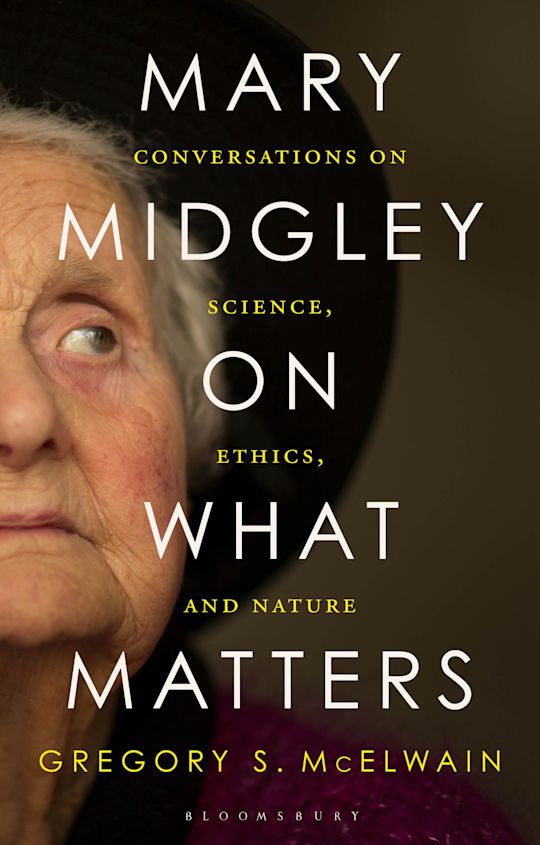

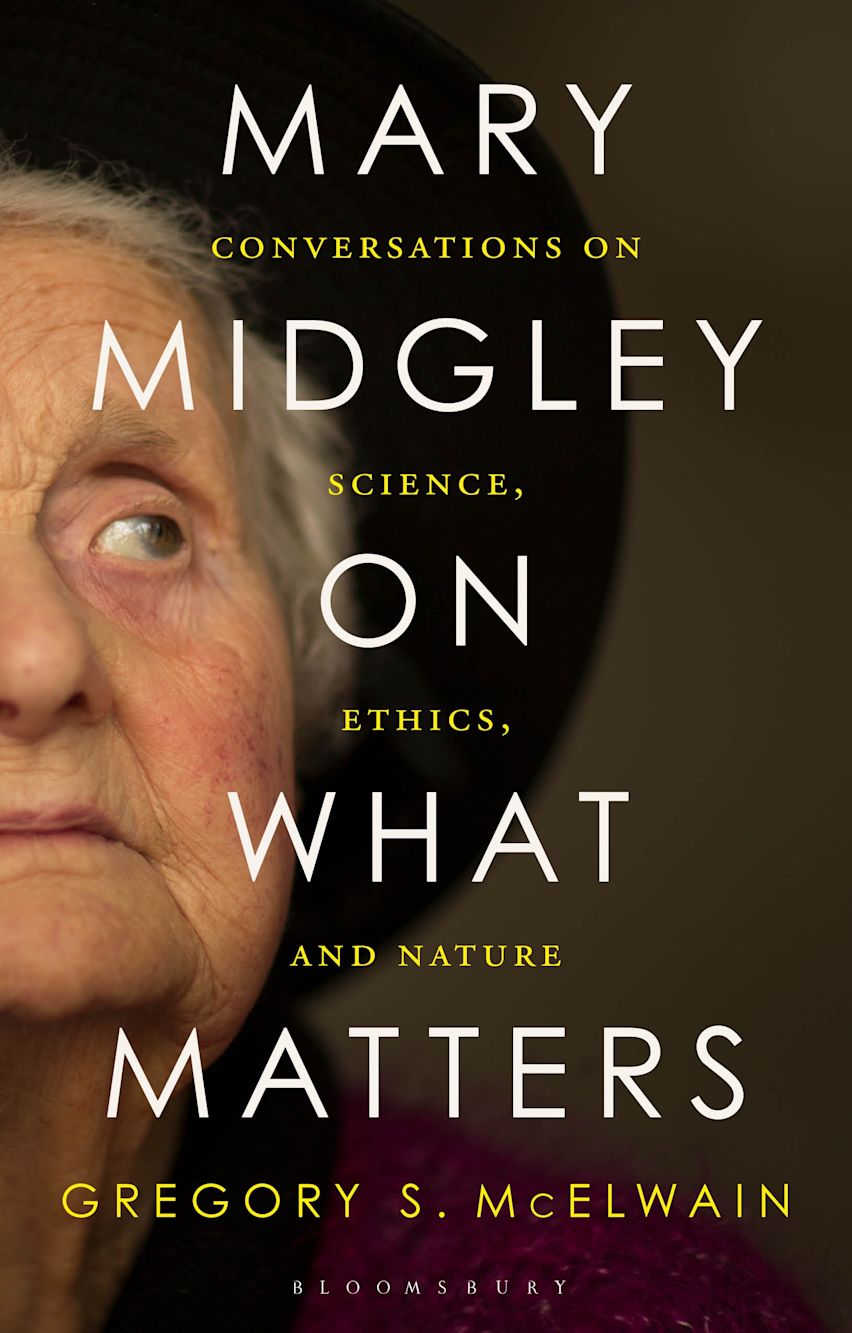
Mary Midgley on What Matters
Conversations on Science, Ethics, and Nature
Description
Mary Midgley (1919–2018) was among the twentieth century's most influential and wide-ranging moral philosophers.
For more than four decades, she defended philosophy's relevance to everyday life while contributing to debates on human nature, ethics, animals and the environment, science, religion and other topics of lasting significance. Throughout her prolific career, she produced more than 250 publications, culminating in What Is Philosophy For? published just one month before her death at ninety-nine. This late work marked a remarkable final phase of writing that cemented her reputation as a distinctive philosophical voice and a powerful example of the enduring presence of women in philosophy.
Mary Midgley on What Matters offers an intimate account of this period through a series of conversations with Gregory McElwain, held in Midgley's Newcastle home from 2011 to 2018. Organized thematically and framed by contextual commentary, the book presents Midgley's reflections on the topics for which she is best known, with particular attention to her influential work on animals and the environment. Through conversation and exposition, the book foregrounds Midgley's voice, highlighting her distinctive method, resistance to intellectual extremes and commitment to philosophical clarity grounded in lived concerns.
Combining dialogue, narrative framing, and reflection, the book captures Midgley's wit, warmth and intellectual vitality while presenting philosophy in practice as an ongoing, conversational activity. It offers both an accessible introduction to Midgley's thought and a distinctive record of philosophical companionship.
Accessibility Information
Additional accessibility information
- PDF/UA-2, 1.4
- accessibility@bloomsbury.com
Hazards
The publication contains no hazards
Support for non-visual reading
Has alternative text descriptions for images
Navigation
- Page list to go to pages from the print source version
- Elements such as headings, tables, etc for structured navigation
- All or substantially all textual matter is arranged in a single logical reading order
Table of Contents
1. Conversations in Newcastle
2. Human Nature and The Self
3. Morality in Context
4. Animals and Our Connection to Nature
5. Science and Religion
6. Farewell
Bibliography
Product details

| Published | 12 Nov 2026 |
|---|---|
| Format | Ebook (PDF) |
| Edition | 1st |
| Pages | 216 |
| ISBN | 9781350268739 |
| Imprint | Bloomsbury Academic |
| Publisher | Bloomsbury Publishing |
Reviews
Related Titles