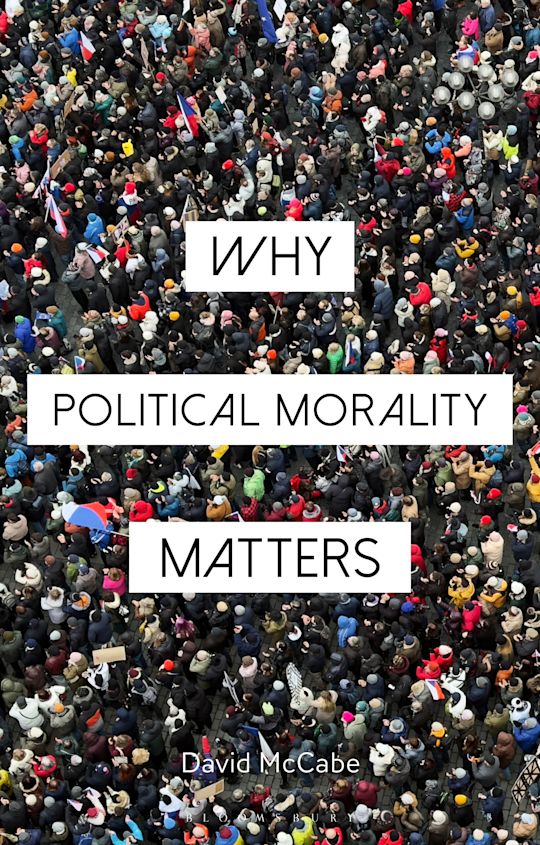

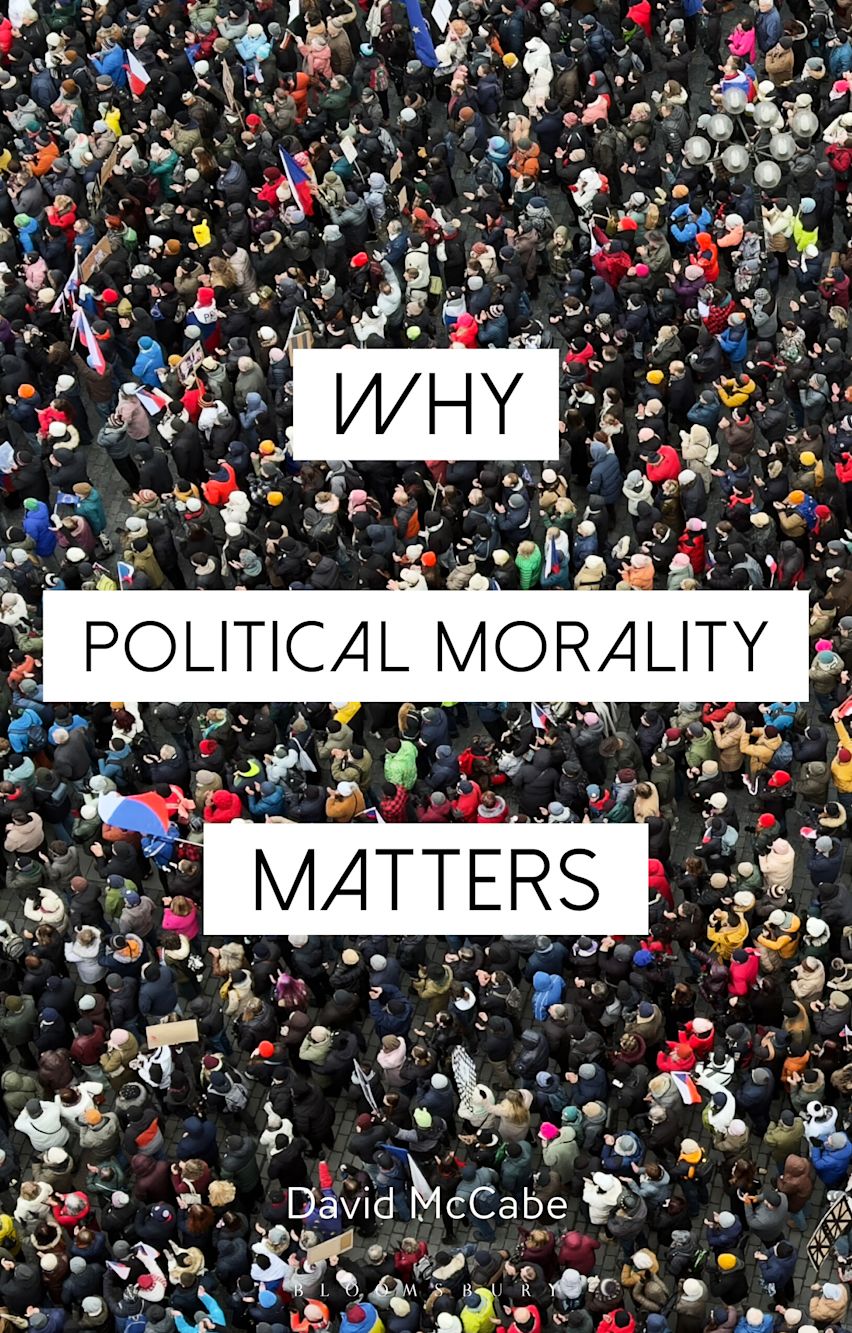
Why Political Morality Matters
Description
Do ethics have a place in the political sphere? Are the moral rules different for politicians? Invoking the authority of Machiavelli, David McCabe argues that there is a distinct moral framework for the political world, but it is nonetheless rooted in ordinary ethical principles. At a time of widespread distrust of politics and politicians in liberal democracies worldwide, this book boldly claims that, whether we like it or not, we cannot hold politicians to the same moral standards as everyone else. Yet this does not mean that anything goes. Political morality still matters and, for it to work, political ethics must be based on principles that all citizens are familiar with and can endorse.
Why Political Morality Matters innovatively provides an alternative to the realism-moralism dichotomy by rescuing Machiavelli's position, formed during an age of civil strife. In dialogue with both The Prince and the latest political and ethical literature, McCabe sets out the main moral principles that he proposes should govern the complex realm of modern politics. An important consideration is role morality, as politics qua profession entails various roles, each of which, for McCabe, put not only different practical demands on those who hold them, but different moral demands, too.
With case studies from Boris Johnson's attempt to prorogue parliament to Barack Obama's unfulfilled campaign promise to close Guantanamo Bay, this book maintains that an agreed ethical framework for the political domain would allow us to better assess politicians' behaviour. After all, as history consistently reminds us, functioning democracies depend in no small part on the citizens broadly accepting the decisions and actions of their political actors.
Accessibility Information
Additional accessibility information
- EPUB 3.0
- Conforms with the requirements of EPUB Accessibility Spec v1.1
- WCAG level AA
- WCAG v2.2 compliant
- accessibility@bloomsbury.com
Hazards
The publication contains no hazards
Support for non-visual reading
- No accessibility features offered by the reading system, device or reading software are disabled or otherwise unusable with the product
- Has alternative text descriptions for images
Visual adjustments
Appearance of the text and page layout can be modified according to the capabilities of the reading system (font family and size, spaces, as well as color of background and text)
Navigation
- Page list to go to pages from the print source version
- Elements such as headings, tables, etc for structured navigation
- All or substantially all textual matter is arranged in a single logical reading order
- Content is enhanced with ARIA roles to optimize organization and facilitate navigation
- Purposes of all links are made clear
Rich content
Language tagging provided
Table of Contents
1. The Ethics of Political Action
2. Understanding Role Morality
3. What is the State for?
4. Reasons Not to be Good
5. Who Are Political Actors?
6. Challenges to Political Realism
7. Realism, Hope, Disappointment: Now What?
Bibliography
Index
Product details

| Published | 15 Apr 2027 |
|---|---|
| Format | Ebook (Epub & Mobi) |
| Edition | 1st |
| Pages | 224 |
| ISBN | 9781350553989 |
| Imprint | Bloomsbury Academic |
| Series | Why Philosophy Matters |
| Publisher | Bloomsbury Publishing |
Related Titles